Reliable Crawlspace Moisture Control Solutions
Crawlspace encapsulation is a comprehensive solution that involves sealing and insulating the crawlspace to prevent moisture intrusion, improve air quality, and enhance energy efficiency. Proper encapsulation can significantly reduce the risk of mold growth, wood rot, and pest infestations, contributing to a healthier and more comfortable living environment.
Encapsulation effectively seals out moisture, reducing humidity levels that can lead to mold and structural damage. Studies show that sealed crawlspaces can decrease humidity by up to 50%, protecting the home’s foundation.
By insulating and sealing the crawlspace, energy costs for heating and cooling can decrease by as much as 15%, leading to noticeable savings on utility bills.
Encapsulation minimizes mold spores and dust mites, which can improve indoor air quality and reduce allergy symptoms for occupants.
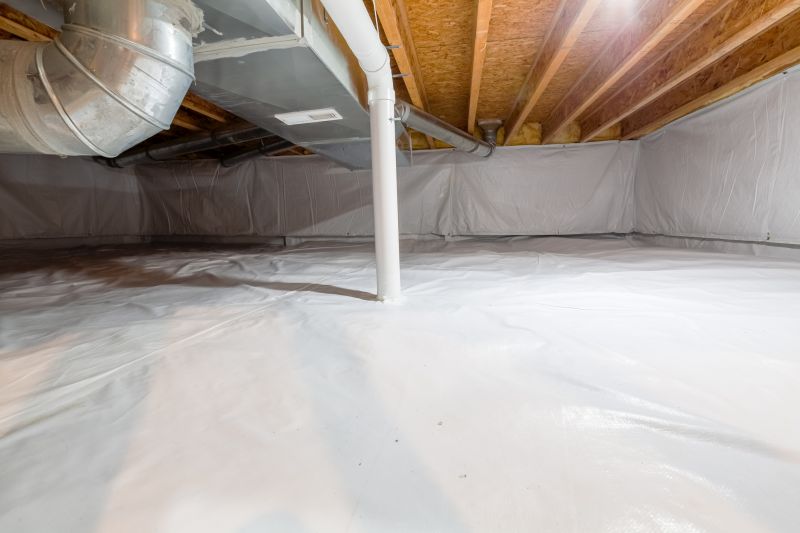
A sealed and insulated crawlspace with vapor barrier in place, preventing moisture intrusion.
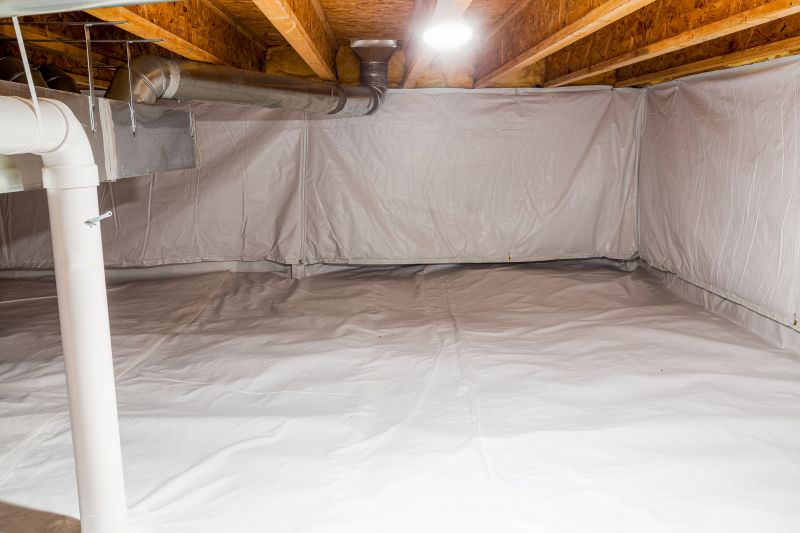
Properly installed insulation and sealing materials ensure energy efficiency and moisture control.
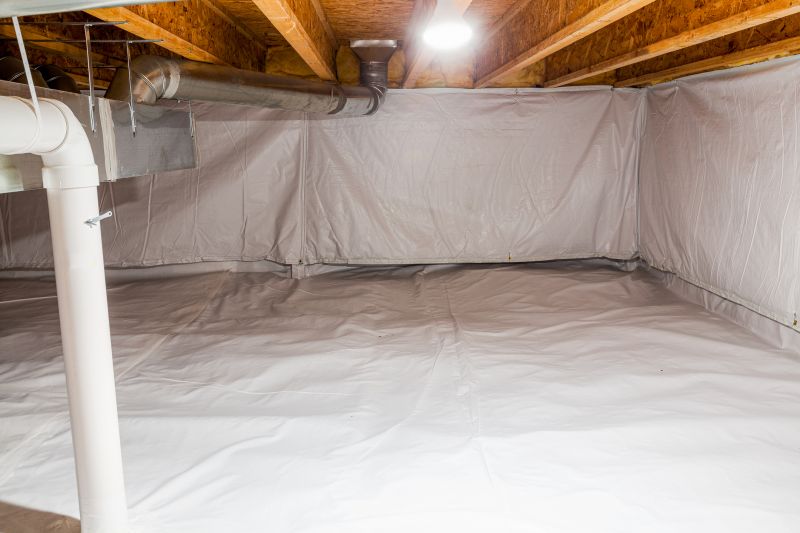
Vapor barrier covering the entire floor area, blocking ground moisture from entering the space.
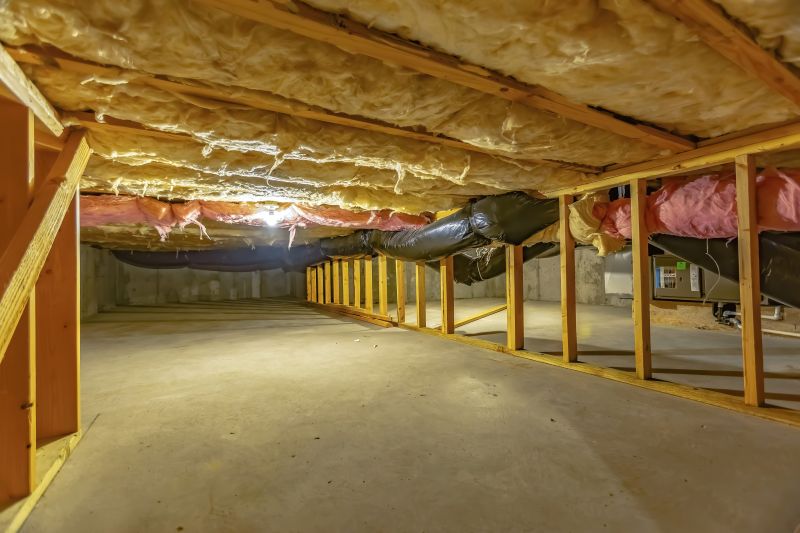
Complete encapsulation setup including vents sealed and insulation applied.
Failure to encapsulate a crawlspace can lead to serious issues such as increased moisture levels, mold growth, and structural deterioration. Without proper sealing, homes are vulnerable to pests, musty odors, and higher energy costs. Research indicates that unsealed crawlspaces can contribute to indoor humidity levels exceeding recommended standards, promoting mold and allergen development.
| Dangers of Not Encapsulating | Potential Consequences |
|---|---|
| Moisture Intrusion | Mold growth and wood rot that compromise structural integrity. |
| Pest Infestation | Increased likelihood of pests such as termites and rodents. |
| Higher Energy Bills | Loss of insulation effectiveness leading to increased heating and cooling costs. |
| Indoor Air Quality Issues | Elevated levels of mold spores and allergens. |
| Property Damage | Potential for extensive repairs due to unchecked moisture and pests. |
| Decreased Property Value | Reduced appeal and market value of the home. |
| Health Risks | Respiratory problems and allergies caused by mold and dust mites. |
| Structural Deterioration | Long-term damage to foundation and framing materials. |